
Dog Licensing, Sheds, and In-Law Apartments: What's Up for a Vote at September Town Meeting
Burlington's Sept. 28 Town Meeting tackles dog control, zoning enforcement, ADUs, and a Middlesex Turnpike rezoning — see all 16 warrant articles.

Burlington's Sept. 28 Town Meeting tackles dog control, zoning enforcement, ADUs, and a Middlesex Turnpike rezoning — see all 16 warrant articles.
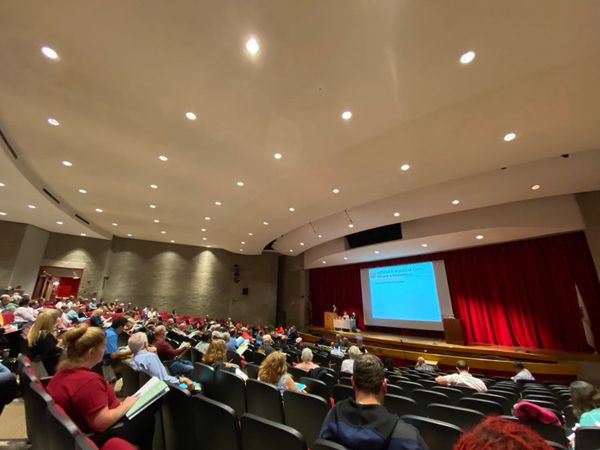
Shawsheen's troubled budget, a wireless tower fight, no Fourth of July fireworks — here's what's on the table at Burlington's May 11 Town Meeting.
The Annual Town Meeting for Burlington, MA, features major items such as capital and operational budgets for schools and town departments, changes to animal bylaws, and a crypto ATM ban.

Some open seats remain; others were filled by write-in candidates.
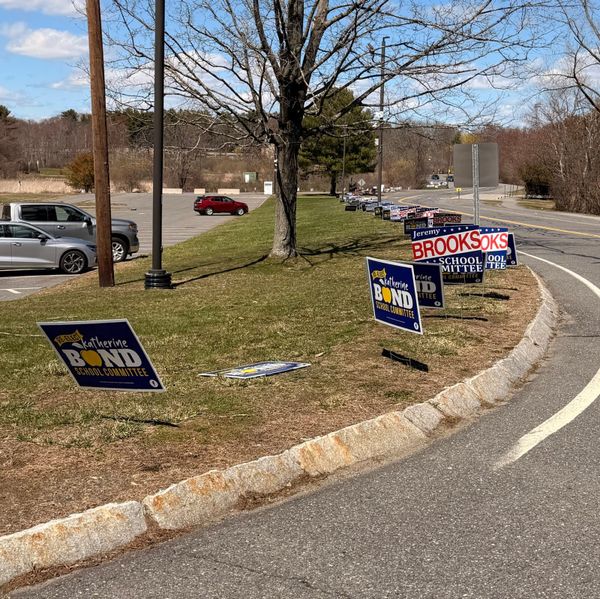
Burlington voters returned Katherine Bond and Jeremy Brooks to the School Committee; a number of new Town Meeting Members are seated.

Burlington's April 11 election has open Town Meeting seats in Precincts 2 and 7. Here's how to run as a write-in — or vote for one.

Schools
A year-old vendor decision sparked fresh debate Monday — but the Fox Hill building project is staying on track.
The question of which vendor will supply Fox Hill Elementary School’s new playground came up again at Tuesday's School Building Committee meeting, more than a year after the committee voted 7-3 to select ME O'Brien (Landscape Structures) over Childscapes (Burke) — and, after each School Committee member had their say, the decision appears closed out for good.
The conversation over playground vendors goes back nearly 18 months and recently resurfaced when Building Committee chair Melissa Massardo declined to revisit the topic despite requests from members Christine Monaco, Katherine Bond, and Meghan Nawoichik for an update and discussion on the process.
Several committee members used the Oct. 20, 2026, meeting to voice lingering concerns about the process. The site design subcommittee, which was specifically established to evaluate outdoor design elements, was never consulted, said Bond, Nawoichik, and Monaco. In addition, Nawoichik said, the Landscape Structures equipment has a 12-foot fall height and lacks IPEMA certification (an outside group charged with rating playground safety), raising safety questions.
Other members were less sympathetic. “We've belabored this point yet again,” said Jeremy Brooks. "Can we please move on?" Massardo noted the design had evolved through multiple rounds of committee feedback before the September 2025 vote. Building Committee member Martha Simon said revisiting the conversation amounted to micromanaging. And, parent and town meeting member Michelle Huntoon, who attended virtually, echoed the sentiment, expressing concern that relitigating settled decisions could delay the overall project.
"My goal is to ensure that we provide our students with a high quality, safe, and durable playground that will serve them well for years to come," said Bond. "I have no preference for any particular vendor. My concern has always been whether we follow a thorough and transparent process before making a decision involving more than $600,000."
The committee is moving forward with Landscape Structures. Next steps include a color and design selection meeting with school staff — a process that typically takes one to two months — followed by a final quote and purchase order.
Related:
 Nicci Kadilak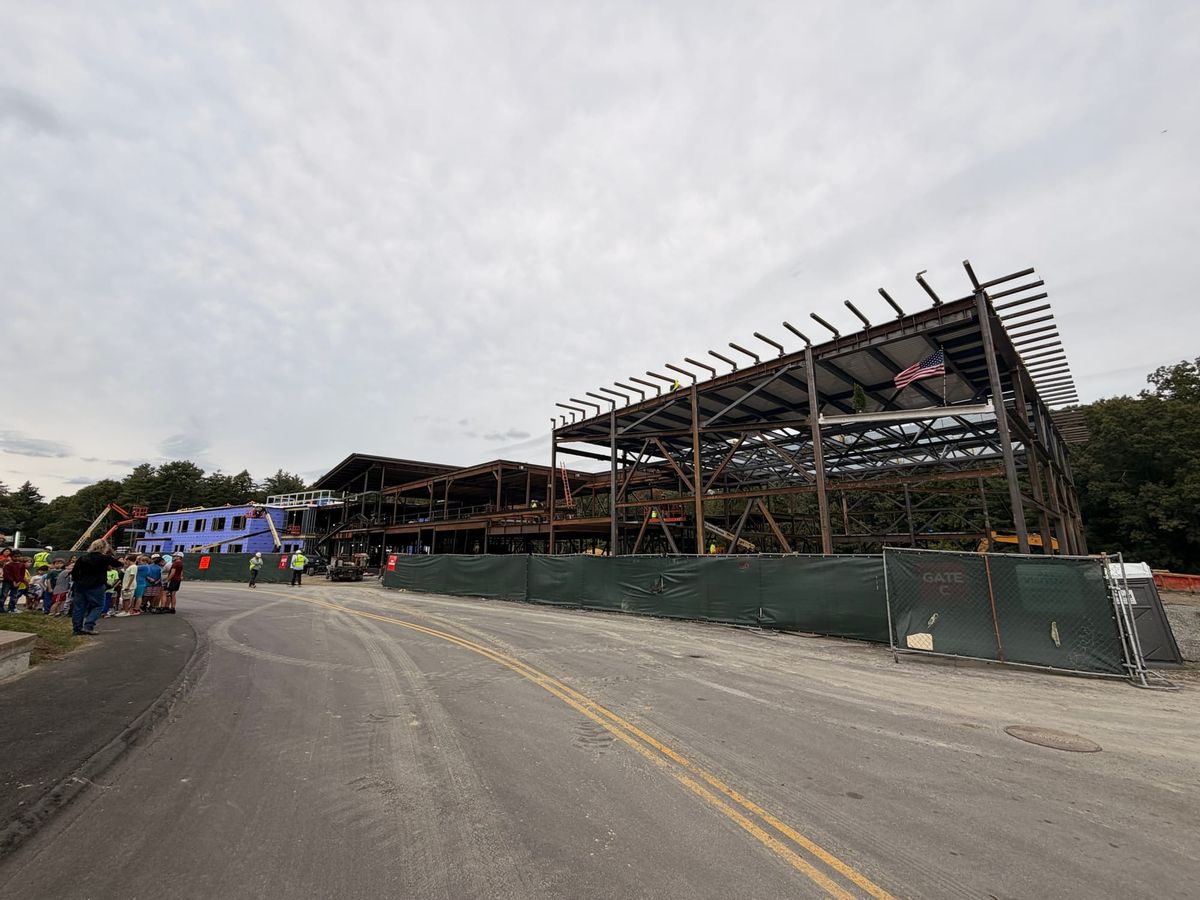
Burlington Buzz now accepts Letters to the Editor; read on for details and more about our editorial policy at large.
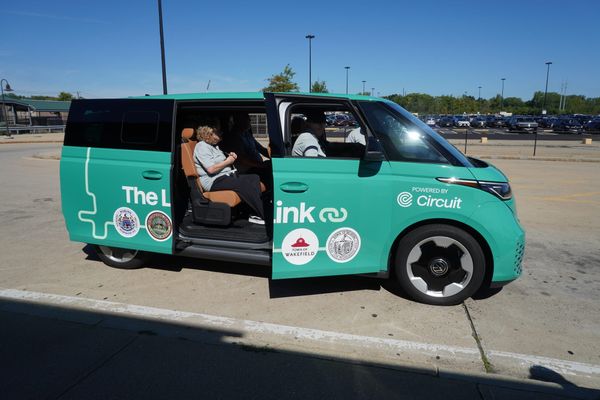
A new free, on-demand electric shuttle called LINK now connects riders in Burlington, Woburn, Reading, and Wakefield to local stops. Here's how it works.
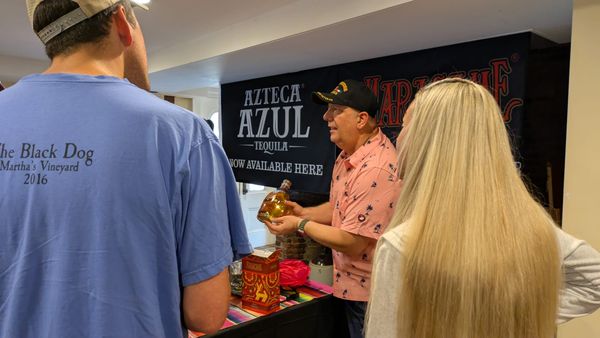
Pours for a Purpose returns to Grandview Farm July 16, with beer, wine, and spirits tastings benefiting People Helping People's programs.
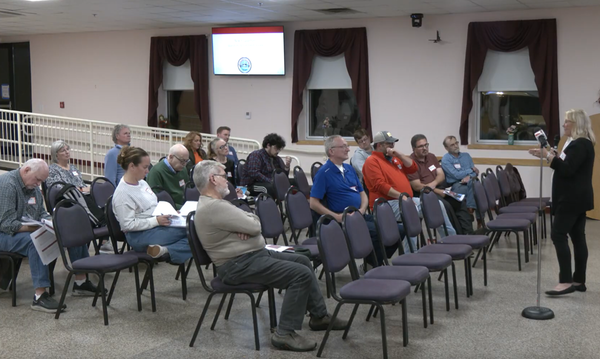
After 227 years, Burlington is bringing its government and municipal processes into a single document.
Burlington Buzz now accepts Letters to the Editor; read on for details and more about our editorial policy at large.
Burlington resident Jim Regan explains why he will be voting No on Question 3 regarding top-two primaries.
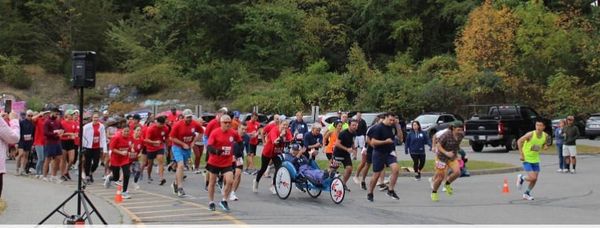
A family charity built on love for one remarkable man brings the community together for a walk, a run, and cider donuts.

Burlington had 42 single-family homes for sale on September 30, up from 14 a year ago. Sellers, this one’s for you.

Yard waste pickup starts the week of, Oct. 19. Here’s what else is coming up before the first snowfall.
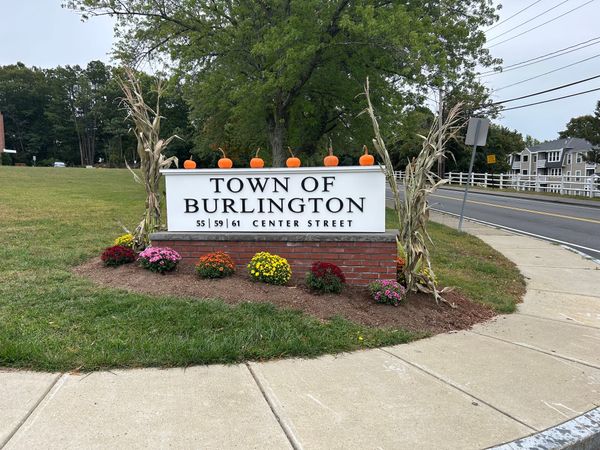
A COA member’s idea, a realtor’s donation, and a team of volunteers later — the grounds at 61 Center St. are looking pretty great this fall.
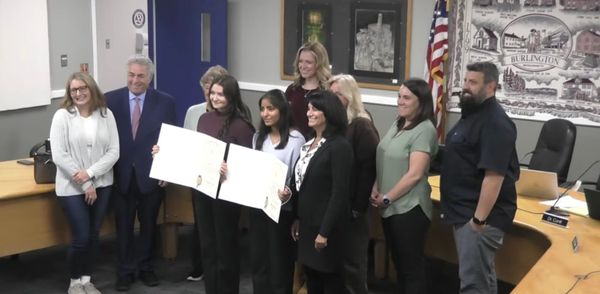
Kanika Agarwala and Shayla Ruiz represented Massachusetts at a national student AI summit. Now, state Rep. Ken Gordon wants them to testify on Beacon Hill.

A simple breakdown of each question and how a yes vote may impact Burlington.
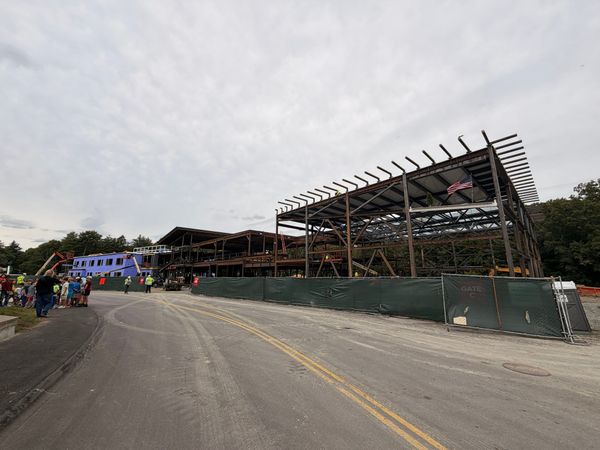
Fox Hill's playground vendor was "decided" by a 7-3 vote a year ago. A year later, not everyone agrees the discussion is settled.

Town Meeting passed 11 of the 15 articles that required a vote at its Sept. 28 meeting, withdrawing two and postponing two until January. A total of 103 of 126 members (82%) attended the one-night meeting. At the outset of Town Meeting, an effort to limit Town Meeting Member
Halfway through the year, the market seems to be headed to a more balanced state that still rewards accurate pricing and strong presentation

The Burlington Buzz community events calendar was one of the first things we invested in as a business. Here's how to get the most out of it.

State officials will tour Burlington High School this week in a renewed bid for funding, but after 13 past rejections, officials call it no sure thing.

Golf earns its first win of the season and girls' volleyball keeps rolling as Burlington wraps a busy Friday and looks ahead to a full week.